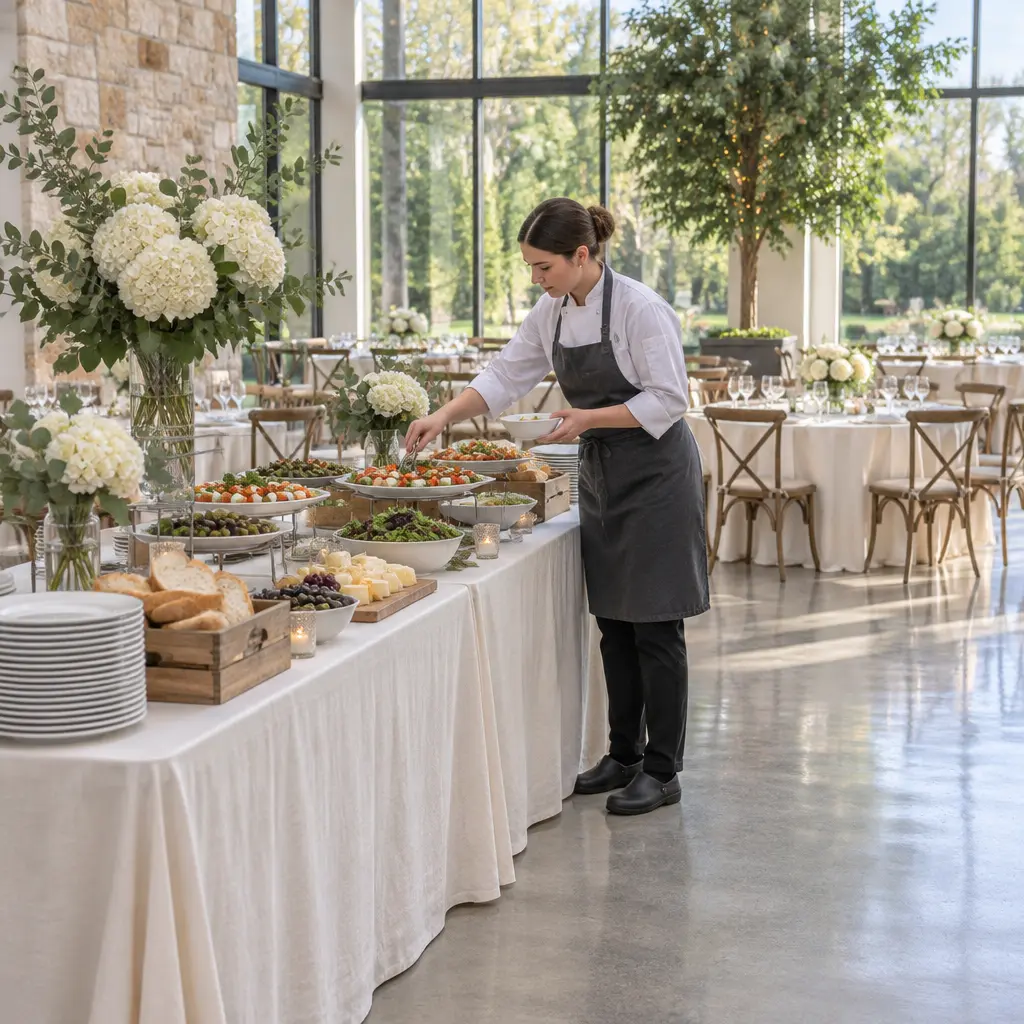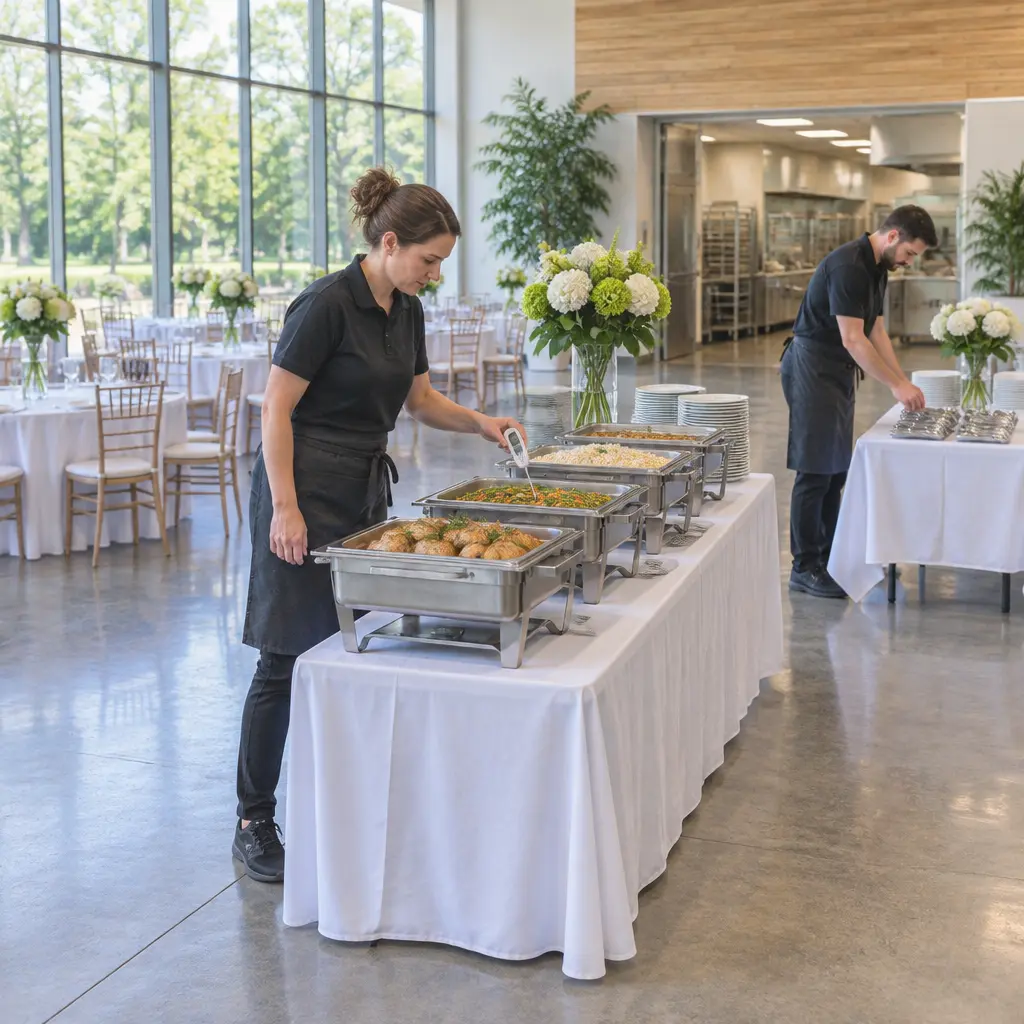
Catering mistakes are preventable failures in planning, food safety, communication, or service that can disrupt an event and put guests at risk. Avoiding them starts with a verified guest count, a realistic menu and timeline, clear responsibilities, and controls for safe food temperatures and allergens. The stakes are substantial: the U.S. Centers for Disease Control and Prevention (CDC) estimates that foodborne illnesses cause 48 million illnesses, 128,000 hospitalizations, and 3,000 deaths in the United States each year. The most useful safeguards address common errors in planning, food handling, dietary accommodations, staffing, and event-day execution.
Planning mistakes undermine catering accuracy
Catering planning is the process of translating an event’s attendance, schedule, venue, budget, and guest needs into food quantities and a workable service plan. The National Restaurant Association’s food-service guidance emphasizes planning and safe operational practices as part of responsible food service; in practice, the plan must also be confirmed with the client and venue. Errors in headcounts, timing, and menu selection can cascade into shortages, waste, delayed service, and unnecessary expense.
Mistake: relying on an unconfirmed guest count
A headcount is the expected number of people who will be served. Treating an early estimate as final can leave a caterer with too little food—or costly excess. Request a firm attendance deadline, record the count and any later changes in writing, and agree on the number that will be used for purchasing and production. For events with uncertain attendance, discuss a documented contingency plan rather than relying on an informal guess.
Mistake: choosing a menu without considering the event
Menu fit means matching dishes and service style to the event’s timing, venue, audience, and practical constraints. A plated meal may suit a seated dinner but be awkward during a short networking break; foods that depend on crispness or precise presentation may also suffer during long transport. Confirm the service format, meal duration, kitchen access, refrigeration, equipment, and whether guests will eat while standing. Select dishes that can be prepared, transported, held, and served reliably under those conditions.
Mistake: overlooking the full event timeline
A catering timeline coordinates preparation, delivery, setup, speeches, service, and cleanup. A plan that includes only the meal time ignores delays caused by venue access, elevators, room changes, or program overruns. Build in setup and travel buffers, identify who can authorize schedule changes, and share a final run sheet with the client, venue, and catering lead. This connects planning to the next essential area: keeping food safe from preparation through service.
Food safety mistakes put guests at risk
Catering food safety is the set of controls used to prevent contamination and limit the growth of harmful microorganisms during preparation, transport, holding, and service. The U.S. Food and Drug Administration’s Food Code provides a model for retail and food-service safety, while local health rules determine the requirements that apply to a specific operation. Temperature control, hand hygiene, separation of raw and ready-to-eat foods, and accurate allergen communication are central safeguards.
Mistake: guessing food temperatures
Temperature control means using a thermometer and appropriate equipment to keep food within safe limits, rather than judging safety by appearance or touch. The FDA Food Code generally calls for cold holding at 41°F (5°C) or below and hot holding at 135°F (57°C) or above; applicable local rules and food-specific requirements should always be checked. Use calibrated probe thermometers, check food at appropriate intervals, and record readings. Insulated carriers and chafing dishes help, but they do not replace temperature checks.
Mistake: allowing cross-contamination
Cross-contamination occurs when pathogens or allergens move from one food, surface, utensil, or person to another. Keep raw ingredients separate from ready-to-eat foods, use clean and appropriately designated equipment, and wash hands at key points in preparation and service. The CDC identifies contaminated food and unsafe handling practices as contributors to foodborne illness; a clean-looking work area alone is not proof that contamination has been prevented.
Mistake: leaving food out without a discard plan
Time control is the use of defined limits for food that is not being held at a safe temperature. Do not assume that buffet food is safe simply because it is indoors or covered. Establish who checks holding conditions, when food will be replaced, and when it must be removed or discarded under the applicable food-safety rules. Label time-sensitive items where required, and avoid topping up a serving dish with fresh food before removing the older batch.
Dietary and allergen mistakes harm trust and safety
Dietary accommodation is the process of identifying and reliably meeting guests’ food needs, including allergies, intolerances, and personal or religious restrictions. The FDA recognizes nine major food allergens in the United States: milk, eggs, fish, crustacean shellfish, tree nuts, peanuts, wheat, soybeans, and sesame. Because an ingredient list alone does not prevent cross-contact, caterers need accurate menu information, clear communication, and a service procedure that protects each accommodated meal.
Mistake: asking about dietary needs too late
Dietary data is the information needed to prepare suitable food, such as the type of restriction and the number of guests affected. Collect it during registration or planning, set a clear response deadline, and ask guests to identify severe allergies separately from preferences. Confirm the final requirements with the client and kitchen before ordering ingredients; late requests may be difficult to fulfill safely and consistently.
Mistake: making unsupported allergy assurances
An allergy-safe claim is a statement that a dish avoids a particular allergen or cross-contact risk. Staff should not make that assurance unless the recipe, supplier information, preparation method, and service controls support it. The FDA explains that allergen cross-contact can occur when an allergen is unintentionally transferred to food. Identify ingredients, verify product labels, use clean dedicated utensils and preparation areas when feasible, and tell guests when the kitchen cannot guarantee protection from cross-contact.
Mistake: failing to label and separate special meals
Meal identification is the system that links each accommodated dish to the correct guest and dietary requirement. Clearly label dishes with accurate ingredient or dietary information, keep special meals covered and separate where appropriate, and brief the staff member responsible for delivering them. Do not rely on a guest to identify an unlabeled dish or on servers to guess from appearance. Consistent labeling connects dietary planning to reliable event-day service.
Service and communication mistakes disrupt events
Catering service coordination is the communication and staffing system that moves food from kitchen to guest at the intended time and standard. It includes assigning decision-makers, confirming venue logistics, training staff, and preparing for contingencies. Even a well-designed menu can fail when the delivery entrance is unavailable, equipment is missing, or staff do not know who handles special requests.
Mistake: leaving responsibilities unclear
Role clarity means that each important task has an identified owner, such as receiving deliveries, monitoring temperatures, replenishing buffet items, or responding to guest questions. Share a contact list and event run sheet, and confirm who has authority to make changes. A brief staff briefing before service helps ensure that everyone understands the schedule, menu, safety procedures, and escalation path.
Mistake: ignoring venue logistics and equipment
Venue logistics are the physical and operational conditions that affect catering, including access routes, loading areas, power, water, refrigeration, waste disposal, and setup restrictions. Confirm these details with the venue in advance and, where possible, conduct a site visit. Check that serving equipment, linens, utensils, and backup supplies are available and compatible with the room. This prevents avoidable delays and supports safe holding temperatures.
Mistake: having no contingency plan
A contingency plan describes how the team will respond to foreseeable problems such as late delivery, equipment failure, a schedule change, or a last-minute increase in attendance. Assign decision-makers, keep essential contact details accessible, and identify practical alternatives before the event. For example, a caterer can agree in advance on a simpler backup menu if a key piece of equipment fails, while preserving food-safety and dietary controls.
A practical checklist helps prevent recurring catering mistakes
A catering checklist is a written verification tool that turns planning requirements into assigned actions. The CDC’s food-safety recommendations and the FDA Food Code both reinforce the value of consistent procedures rather than memory alone. Use a checklist appropriate to the event and local regulations, and confirm each item with the responsible person.
- Confirm the final guest count, service style, budget, venue access, and event schedule in writing.
- Collect dietary needs and allergies by a clear deadline; verify ingredients and communicate any cross-contact limitations honestly.
- Prepare a menu suited to the venue’s equipment, service duration, and transport conditions.
- Assign staff roles for delivery, setup, temperature monitoring, service, replenishment, and cleanup.
- Use calibrated thermometers and keep food at temperatures required by the applicable food code.
- Separate raw, ready-to-eat, and allergen-sensitive foods; use clean utensils and appropriate handwashing practices.
- Label dishes clearly and establish procedures for special meals and guest questions.
- Plan for delays, equipment problems, attendance changes, and safe food removal after service.
Conclusion: careful systems prevent common catering mistakes
Common catering mistakes usually begin with an unverified headcount, an unsuitable menu, weak food-safety controls, late dietary information, or unclear event-day responsibilities. Reliable catering combines documented planning, temperature monitoring, allergen-aware preparation, clear staff roles, and realistic contingency plans. These practices protect guests, reduce waste, and preserve confidence in the event. Before your next function, confirm the plan with the caterer and venue, review applicable local food-safety rules, and use a written checklist to verify every critical detail.
Sources: Centers for Disease Control and Prevention, Foodborne Germs and Illnesses, https://www.cdc.gov/food-safety/about/; U.S. Food and Drug Administration, Food Code 2022, https://www.fda.gov/food/fda-food-code/food-code-2022; U.S. Food and Drug Administration, Food Allergies, https://www.fda.gov/food/food-labeling-nutrition/food-allergies; U.S. Food and Drug Administration, Food Allergies: What You Need to Know, https://www.fda.gov/consumers/consumer-updates/food-allergies-what-you-need-know; National Restaurant Association, Food Safety, https://restaurant.org/education-and-resources/learning-center/food-safety/