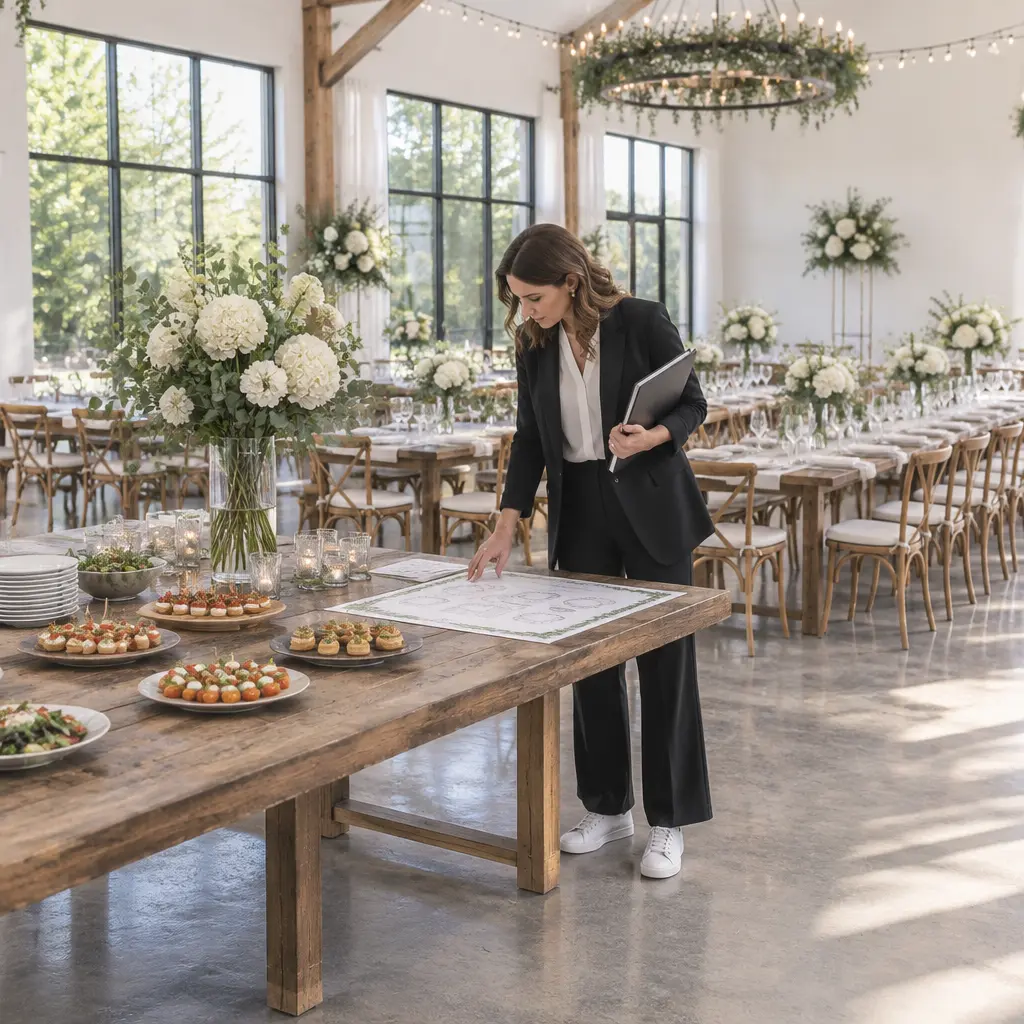
A winter reception is a hosted gathering planned for cold-weather conditions, where guest comfort, safe access, warm food and drinks, and a welcoming atmosphere all matter. What works best is a coordinated plan: keep the indoor temperature comfortable, protect entrances from snow and water, offer substantial warm refreshments, and make transport and coat storage easy. The U.S. Environmental Protection Agency recommends setting occupied homes to about 68°F in winter as an energy-saving baseline, but a reception venue should also account for activity, drafts, clothing, and guest needs. The practical sections below cover warmth and venue layout, food and beverage service, guest logistics, and a sample plan for putting them together.
Plan Venue Warmth and Winter Reception Comfort
Winter reception comfort is the result of managing temperature, airflow, wet-weather exposure, and how guests move through the space—not simply turning up the thermostat. The U.S. Environmental Protection Agency’s 68°F winter setting is an energy-efficiency reference for occupied homes, not a universal event-venue requirement. For a reception, check the room during the hours it will be occupied, since building systems, open doors, crowds, and activity can make one thermostat reading misleading.
Set a comfortable room temperature and control drafts
A comfortable room has reasonably even warmth, with seating away from persistent drafts and enough ventilation for the number of guests. Ask the venue to confirm heating controls, operating hours, and who can adjust them during the event. If possible, visit at a similar time of day and check cold corners, windows, and areas near exterior doors. Avoid using portable heaters unless the venue authorizes them and can confirm safe placement and operation.
Make entrances and floors safe
An entrance is the transition zone between winter weather and the reception. Use sturdy absorbent mats, arrange frequent checks for water and slush, and keep the path from the entrance to coat storage clear. The U.S. Centers for Disease Control and Prevention identifies falls as a significant source of injury among older adults, making stable walking surfaces especially important when guests may arrive in wet or icy footwear. Have the venue handle snow and ice treatment, and use an alternate route if the primary entrance cannot be kept safe.
Create a warm welcome without overheating the room
A warm welcome combines room comfort with small practical details: clear signs, an accessible place for coats, seating for guests who need a rest, and a hot nonalcoholic drink on arrival. Keep coat racks and check-in away from doorways so guests do not crowd the coldest part of the room. A designated coat attendant or clearly labeled self-service area can also reduce confusion during busy arrival periods.
Build a Winter Reception Menu Around Warm Food and Drinks
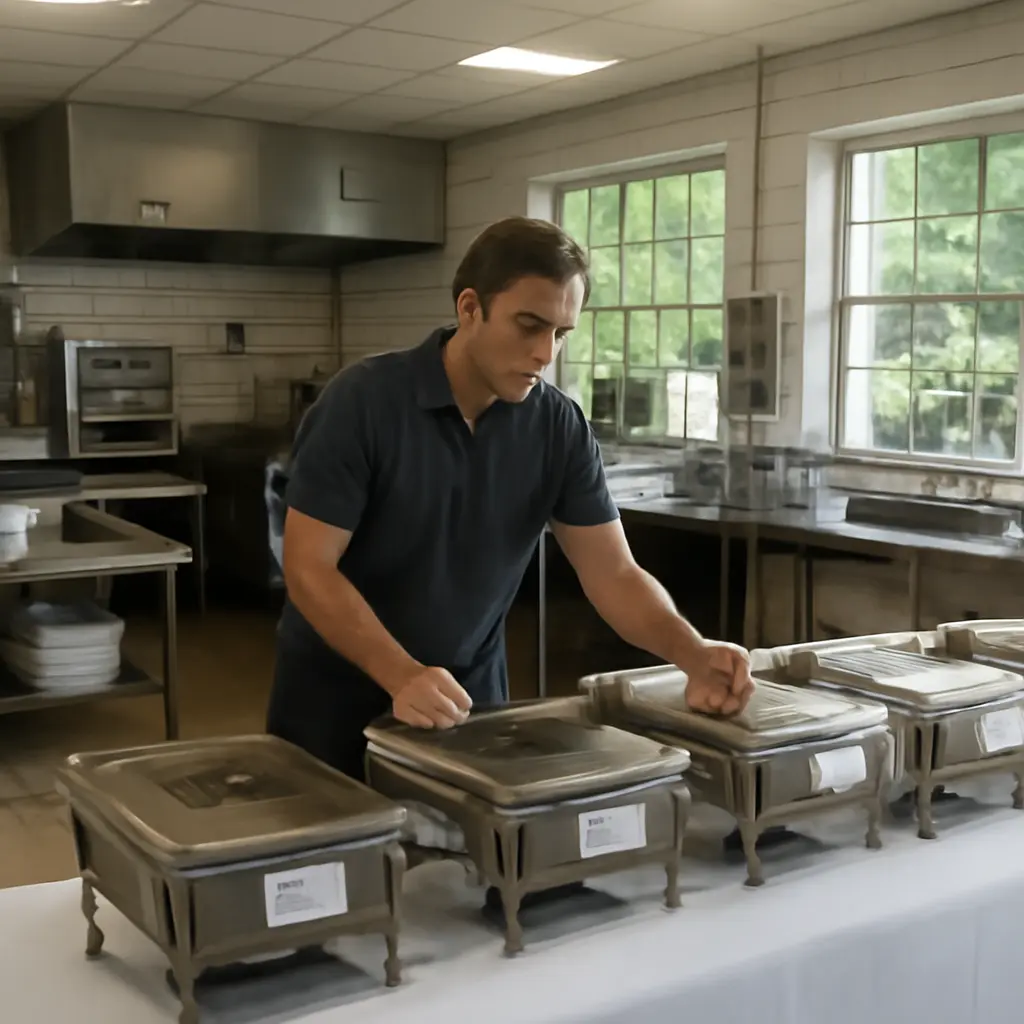
Winter reception catering works best when food is easy to serve, suited to the event’s duration, and kept at safe temperatures. The U.S. Food and Drug Administration’s Food Code uses 135°F or above as the hot-holding standard for many cooked foods and 41°F or below for cold-held foods. Caterers should confirm the applicable local code and use appropriate equipment rather than relying on appearance or touch.
Offer substantial, easy-to-eat refreshments
Choose a mix of warm savory items, lighter options, and food that guests can eat without needing a full place setting. Soups, baked bites, roasted vegetables, and warm grain-based dishes can suit cold weather, while a few fresh or room-temperature choices add variety. Ask the caterer to label common allergens and provide vegetarian, vegan, and other requested options. If the reception overlaps a normal meal time or lasts several hours, plan enough food to function as more than a small snack.
Serve hot drinks safely and thoughtfully
Hot drinks—such as tea, coffee, cider, or cocoa—can help guests feel welcome, but beverage stations need stable urns, clear cup and lid access, and space for queues. Include hot water and non-caffeinated choices, and provide a clearly marked nonalcoholic option alongside any alcoholic drinks. Alcohol should not be presented as a way to stay warm: it can impair judgment and coordination, so guests should have appealing alcohol-free choices and a safe plan for getting home.
Coordinate service timing and food safety
Service timing matters because food can cool while guests mingle and queues form. Agree with the caterer on when items will be replenished, how temperature will be monitored, and what happens if the schedule slips. The FDA’s food-safety guidance emphasizes keeping hot foods hot and cold foods cold; for an event, that means using suitable holding equipment and avoiding long periods of display at room temperature. A smaller, refreshed buffet can be more reliable than setting out the entire supply at once.
Organize Winter Reception Logistics for Guests
Winter reception logistics include arrival, accessibility, clothing, and departure—not just the event program. A short, clear note sent before the event can help guests prepare for weather and reduce uncertainty. Include the venue entrance, parking or transit guidance, coat arrangements, accessibility information, and a contact for last-minute changes.
Make arrival and departure predictable
Give guests realistic travel information and identify a well-lit drop-off point close to the entrance. If severe weather is possible, set a decision time for postponement or cancellation and tell attendees how updates will be shared. For events where alcohol is served, encourage designated drivers, taxis, rideshare, or public transit rather than leaving travel decisions until the end of the night.
Plan for coats, accessibility, and varied comfort needs
A coat area should be easy to find without blocking accessible routes, exits, or circulation space. Ask the venue about step-free access, accessible restrooms, seating availability, and a quieter place for guests who may need a break from noise or crowds. These arrangements are useful for many attendees, including older guests, people with disabilities, families with children, and anyone managing a health or sensory need.
Use a practical run-of-show
A run-of-show assigns responsibilities and timings so small winter-related problems do not become event-wide disruptions. For example, designate one person to check entrance mats, another to communicate with the venue, and a catering lead to monitor replenishment. A simple plan might be: inspect the entrance before doors open, welcome guests with a hot drink, serve food in timed waves, check room comfort midway through, and confirm departure arrangements before the reception ends.
Use a Winter Reception Checklist Before Guests Arrive
A checklist turns the main planning principles into actions that can be verified on event day. The following items are a useful starting point; adjust them to the venue, guest list, weather forecast, and local food-safety requirements.
- Confirm heating hours, room controls, and a point of contact for temperature adjustments.
- Check the entrance, mats, floor condition, lighting, and snow or ice management plan.
- Verify coat storage, accessible routes, seating, and restroom access.
- Confirm food and beverage quantities, dietary labels, safe holding equipment, and replenishment timing with the caterer.
- Provide hot drinks plus appealing nonalcoholic options and water.
- Send guests clear arrival, parking or transit, weather, and accessibility information.
- Set a weather-related communication and cancellation or postponement procedure.
- Assign event-day responsibilities for venue checks, guest questions, catering, and safe departures.
Conclusion: Make Winter Reception Planning About Comfort and Care
A successful winter reception brings together comfortable venue warmth, safe entrances, thoughtfully timed food and drinks, and dependable guest logistics. Use the EPA’s residential temperature guidance as a point of reference rather than a one-size-fits-all event rule, follow the FDA’s food-holding guidance with your caterer, and treat wet or icy access as a safety issue. Before the event, confirm responsibilities with the venue, share useful details with guests, and check the space under real operating conditions. These steps make a cold-night gathering more welcoming, safer, and easier to manage.
Sources: U.S. Environmental Protection Agency, “Energy Saver: Save Energy in Your Home,” https://www.energy.gov/energysaver/save-energy-your-home; U.S. Food and Drug Administration, “FDA Food Code 2022,” https://www.fda.gov/food/fda-food-code/food-code-2022; U.S. Food and Drug Administration, “Food Safety in Your Kitchen,” https://www.fda.gov/consumers/consumer-updates/food-safety-your-kitchen; U.S. Centers for Disease Control and Prevention, “About Older Adult Fall Prevention,” https://www.cdc.gov/falls/about/index.html